

Welcoming Our Turkish Partners: A Business Negotiation Guide from the Bosphorus to the Banks of the Yangtze River
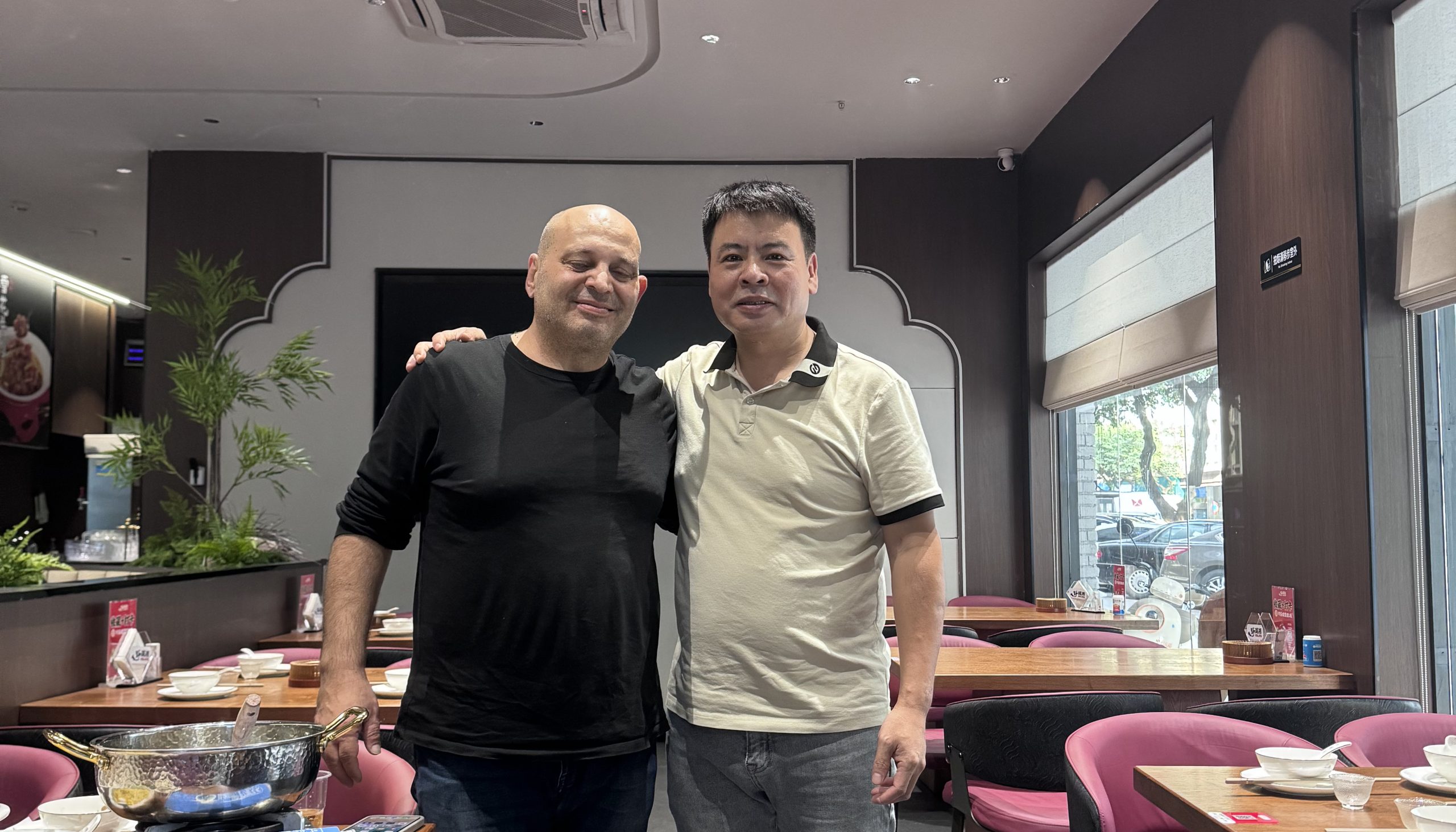
Recently, we were fortunate to welcome business partners from Turkey to discuss cooperation. This was not just a typical business meeting, but a vital bridge connecting the east and west ends of the Eurasian continent, merging ancient civilizations with modern business opportunities. To ensure the success of this meeting and the establishment of a long-term partnership, thorough preparation and a deep understanding of the local culture were crucial.
I. Understanding Our Partners: The Characteristics of Turkish Businessmen
Located at the crossroads of Eastern and Western civilizations, Turkey’s businessmen possess a blend of European pragmatism and Asian shrewdness, exhibiting a distinctive style:
- Excellent Communication Skills and Relationship Focus: Turkish businessmen are very talkative and prefer to conduct business based on personal relationships. They may not jump straight to the point, but rather begin with relaxed conversation to get to know their partners.
- Strong National Pride: They take great pride in their country’s history, culture, and modern industrial achievements. Expressing respect and appreciation for Turkish culture and economic standing during exchanges can quickly build rapport.
- Skilled Negotiators and Patient: Bargaining is an integral part of the business process. They may initially make high demands and expect multiple rounds of negotiations, requiring patience and strategy throughout the process.
- Decision-making may involve high-level personnel: Even if negotiations go well with managers, the final decision may still be made by higher levels, so it’s necessary to allow for a decision-making cycle.
II. Thorough Preparation Before Negotiations
“Know yourself and know your enemy, and you will never be defeated.” When dealing with Turkish partners, we need to do our homework:
- Business Materials: Prepare well-designed bilingual (Chinese and English) company introductions, product catalogs, and datasheets. Clear quality certifications, export records, and detailed specifications will greatly increase credibility.
- Market Research: Conduct in-depth research on the Turkish market and the client’s position in their domestic industry. Understand their competitors, main import sources, and consumption habits to develop more targeted solutions.
- Negotiation Bottom Lines: Clearly define our bottom line price, payment terms, minimum order quantity, and delivery time. Prepare data and reasons to support our position to deal with intense bargaining.
- Team Composition: Ensure the negotiation team includes both technically proficient experts and decision-makers, ideally with members fluent in English and familiar with cross-cultural communication.
III. Strategies and Art of Negotiation
- Opening: Enthusiasm and Respect:
- Begin the meeting with a warm greeting and proactively exchange business cards (preferably with English translations).
- You can start with lighthearted topics such as the beautiful scenery of Istanbul, Turkey’s rich history, or its cuisine to express your friendliness and sincerity.
- Presentation: Professionalism and Confidence:
- When introducing your company and products, highlight your technological advantages, quality control system, and successful international case studies.
- Utilize visual aids such as samples, videos, or certification documents to enhance persuasiveness. Turkish businessmen highly value quality and first impressions.
- Negotiation: Patience and Flexibility:
- Maintain politeness and firmness when facing their bargaining. Avoid making large concessions immediately; each concession should be met with a corresponding compromise from the other party.
- Consider a “package” strategy, such as offering price concessions while negotiating for more favorable payment terms or a longer warranty period.
- Be patient. If an agreement cannot be reached in one round of negotiations, suggest a break or dinner to continue communication in a more relaxed atmosphere.
IV. Bridges Across Cultures: Etiquette and Taboos
- Hospitality: Turks are hospitable and enjoy being warmly received. Offering a cup of tea or coffee is a friendly gesture. Business dinners are excellent opportunities to build relationships.
- Communication: Maintain eye contact to show sincerity. Use more gestures during conversation, but avoid pointing directly at the other person.
- Religion and Customs: Most Turks are Muslim; be mindful of halal restrictions when arranging meals. Avoid discussing sensitive political topics.
V. Looking to the Future: From Trade to Partnership
The potential for cooperation with Turkey is enormous. They are not only a member of the Customs Union connecting to Europe but also a natural hub radiating into markets in the Middle East, North Africa, and Central Asia. This successful negotiation will mean more than just a contract; it signifies our entry into a vibrant emerging market and the acquisition of a strategic foothold spanning Asia and Europe.
Conclusion
The visit of our Turkish partners is both an opportunity and a test. It tests our professional capabilities and, more importantly, our cross-cultural wisdom. Let us welcome our partners from the Bosphorus Strait with the fullest preparation, the most sincere attitude, and the most professional competence, and together usher in a new chapter of mutually beneficial and long-lasting business cooperation.



Est tenetur molestiae sed voluptatem Quo nulla optio sequi sit dolorem laborum. Commodi sint minus occaecati est asperiores Non dolores. Id dolores et rerum Reprehenderit voluptatibus sed modi hic.
Eligendi culpa cum sit fficiis inventore nulla non maiores culpa optio ducimus est ullam at nisi ea. Consequatur et culpa accusamus ea. Incidunt velit dicta doloremque repellat quo magnam
Harum et libero debitis ea aspernatur vel est. Vel ab enim eveniet earum
You would want to ensure the plugin is installed and activated for the section to be visible.
In odit sunt sed. Maiores tempora ut ducimus accusantium. Aut voluptatibus et quidem quibusdam ea nisi